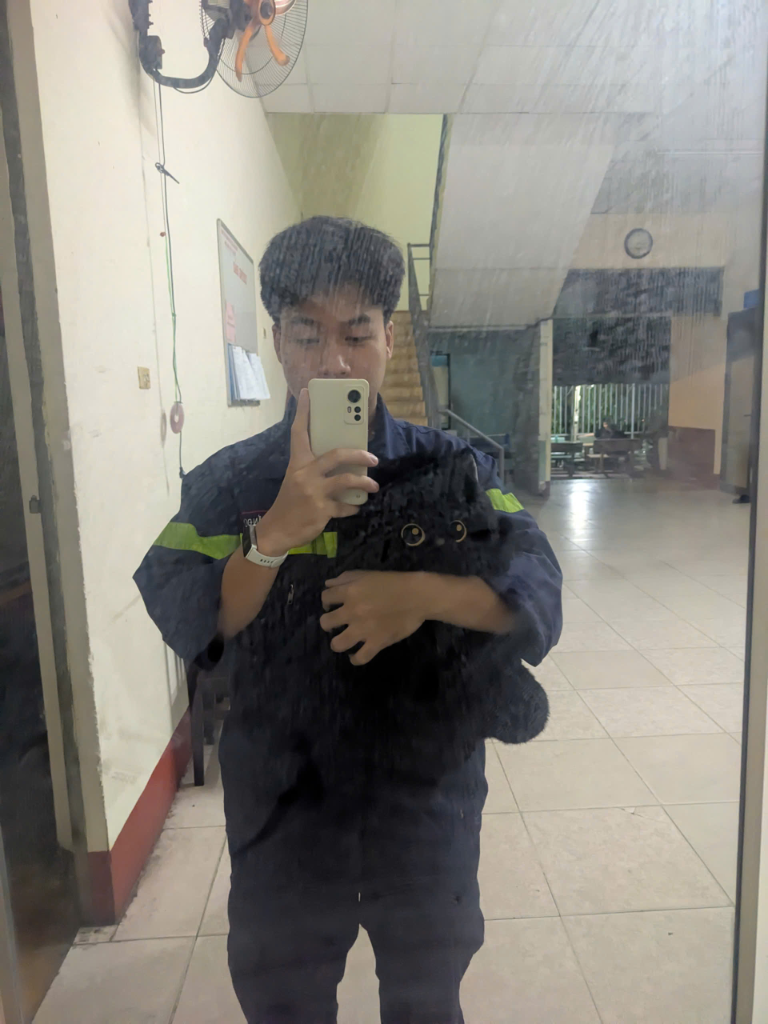
Entering compulsory service in the People's Police meant adapting to a very different environment from a technology office. Remote work and flexible schedules gave way to operational routines, clear responsibilities, and a strong focus on system availability.
1. A Round-the-Clock Mission: Population Data & GTEL Fire Alarm Systems
Our unit operates two important information systems:
- The National Population Database: A system for identity verification and operational lookups. Secure connections between the unit and the Ministry of Public Security's data center need continuous monitoring and maintenance.
- GTEL incident notification systems: Emergency fire alerts from facilities in the area reach the coordination center over dedicated connections. Delays or lost packets can affect dispatch timing.
“In an operational environment, identifying a network provider issue is only the beginning. The engineer's responsibility is to restore reliable communication when it matters.”
2. From Crimping Network Cables to Configuring Linux Servers
Software engineers can sometimes treat networks and servers as a black box: send an API request or SQL query, then receive a result. My service gave me practical exposure to the infrastructure underneath those abstractions:
I surveyed sites, installed Cat6 cabling, terminated RJ45 connectors to T568B standards, and checked cables with test equipment. I configured enterprise switches, separated operational and internal networks with VLANs, configured pfSense firewalls, and administered Ubuntu Linux servers.
# Check latency and packet loss on a dedicated connection
ping -c 100 -i 0.2 10.240.15.1 | awk -F'/' 'END{ print "Min=" $4 " Avg=" $5 " Max=" $6 " ms" }'

# Monitor the IPsec tunnel and dispatcher service
ipsec statusall | grep -E "ESTABLISHED|INSTALLED"
systemctl is-active --quiet gtel-dispatcher && echo "GTEL Service: RUNNING 24/7"
3. How Operational Discipline Shapes My Data Pipelines
People often ask me: “How does network administration in the People's Police help you become an Analytics Engineer?”My answer is: In several practical ways.
Closing Thoughts
Service has strengthened my ability to work under pressure, reason from physical infrastructure up to application behavior, and maintain a consistent learning routine.